Iceland's Edge

Mason O'Donnell
| 23-04-2026
 · Travel Team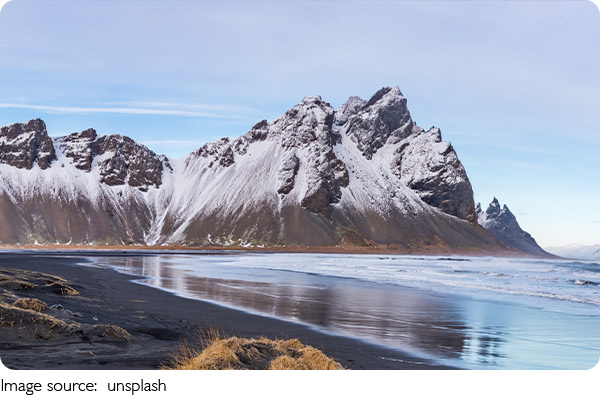
The wind moves quietly across a stretch of black sand, and ahead, a sharp mountain rises like a sculpture carved by time.
At Vestrahorn, the scene feels cinematic—dark dunes in the foreground, jagged peaks behind, and, if conditions are right, a perfect reflection mirrored in shallow water. This is not just a place you visit; it's a place you experience slowly, with every step revealing a new angle of light and texture.
Vestrahorn
1. The Landscape That Defines Vestrahorn
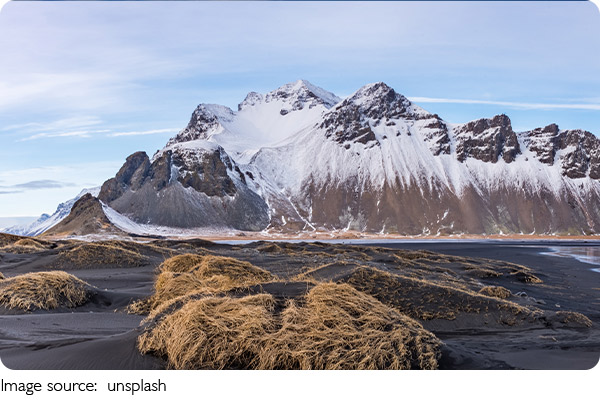
Vestrahorn is famous for its striking combination of elements: black sand beaches, rolling dunes, and steep mountain ridges. Unlike many coastal views, this one constantly changes depending on light, wind, and tide levels.
The black dunes, covered in patches of grass, create natural patterns that lead your eyes toward the mountain. During calm weather, shallow pools form on the sand, offering mirror-like reflections that photographers travel far to capture.
What Makes It Unique:
- Dramatic contrast between dark sand and sharp peaks.
- Reflection opportunities in shallow tidal pools.
- Ever-changing scenery influenced by weather and light.
2. Best Times to Experience the View
Timing plays a major role in how Vestrahorn reveals itself.
- Early morning: Soft light and fewer visitors create a peaceful atmosphere.
- Late afternoon: Warmer tones highlight the mountain's texture.
- Cloudy conditions: Add depth and mood, enhancing the dramatic setting.
Even slight shifts in weather can completely transform the scene, making each visit feel different.
3. Practical Visitor Information
A visit to Vestrahorn requires some planning, especially since it is located on private land near the coast.
Essential Details:
- Opening Hours: Access is generally available from early morning to evening, depending on daylight conditions.
- Entry Fee: Approximately $7–$10 per person, paid at the Viking Café near the entrance.
- Facilities: Basic amenities such as restrooms and a small café are available on-site.
Keep in mind that weather conditions can change quickly, so flexibility is important.
4. How to Get There
Vestrahorn is located in southeastern Iceland, near the town of Höfn.
Transportation Options:
- By Car: The most practical option. From Höfn, it's about a 15-minute drive along Route 1, followed by a short gravel road.
- From Reykjavik: A longer drive of approximately 6–7 hours, offering scenic views along the way.
- Guided Tours: Some tours include Vestrahorn as part of a larger south coast itinerary.
Driving gives you the flexibility to stop and explore nearby coastal landscapes at your own pace.
5. Where to Stay Nearby
While Vestrahorn itself has limited accommodation, nearby areas offer comfortable options.
Stay Options:
- Guesthouses in Höfn: $100–$160 per night with convenient access to local services.
- Small lodges near Stokksnes: $120–$200 per night for closer proximity to the site.
- Hotels in the region: $150–$250 per night with scenic surroundings.
Staying nearby allows you to visit early or late in the day when the landscape feels most immersive.
6. Tips for a Better Experience
To fully enjoy Vestrahorn, preparation and awareness make a difference.
Helpful Tips:
- Check weather forecasts before visiting, as conditions shift quickly.
- Wear layered clothing to adapt to changing temperatures.
- Respect the environment by staying on marked paths and avoiding fragile dune areas.
These small considerations ensure a smoother and more enjoyable visit.
Conclusion: A Landscape That Leaves an Impression
Vestrahorn is not defined by a single moment—it's shaped by light, wind, and time. One visit might give you calm reflections; another might bring dramatic skies and shifting sand.
What stays with you is not just the view, but the feeling of standing in a place where nature feels both powerful and precise. Long after you leave, that image of dark sand and rising peaks remains clear, quietly reminding you of how striking simplicity can be.