Do Cats Need Freedom?

Nolan O'Connor
| 02-06-2026
 · Science Team
Hello Lykkers! The question of whether outdoor cats experience greater happiness has been discussed for generations among animal caregivers, veterinarians, and behavior specialists. Some believe that open environments provide enrichment and freedom, while others emphasize safety and stability within indoor living.
The answer is not simple, as feline well-being depends on multiple factors including environment, temperament, health conditions, and daily experiences. Understanding this topic requires looking beyond assumptions and exploring how outdoor and indoor lifestyles influence behavior, stress levels, and overall quality of life.
Natural Instincts and the Appeal of Outdoor Exploration
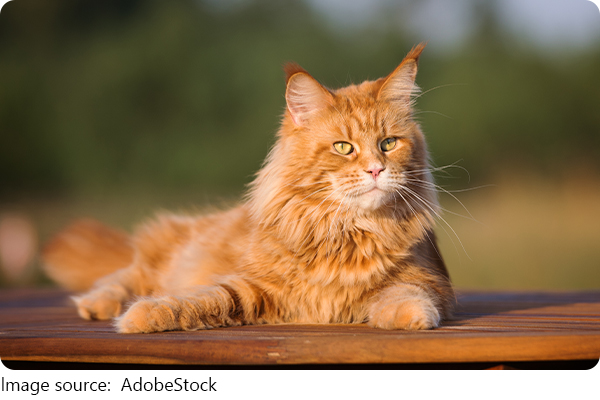
Cats are naturally curious and observant animals. Outdoor environments offer a wide range of sensory stimulation, including changing sounds, scents, and visual movement. These elements can activate instinctive behaviors such as exploring, observing, and short bursts of activity.
In open environments, opportunities exist for climbing, exploring new territories, and interacting with natural elements. For some cats, especially those accustomed to outdoor exposure from an early stage, this environment may provide a sense of autonomy and engagement.
However, natural curiosity alone does not determine emotional well-being. Safety, predictability, and consistent care also play essential roles in long-term comfort.
Risks That Affect Outdoor Living Conditions
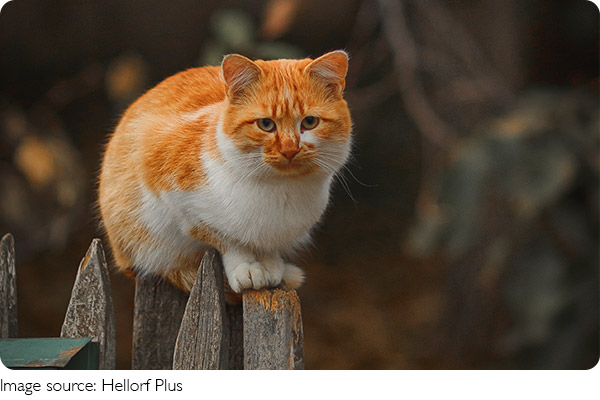
While outdoor environments offer stimulation, they also present challenges that can influence well-being. Exposure to traffic, unpredictable weather conditions, unfamiliar animals, and territorial conflicts may increase stress levels. Access to consistent nutrition and safe resting spaces may also vary depending on surroundings. These uncertainties can affect stability, which is an important component of emotional balance.
Veterinary research often highlights that outdoor exposure can increase risk factors that may impact long-term health outcomes. Because of this, many caregivers carefully evaluate whether unrestricted outdoor access is appropriate for individual animals.
Indoor Living and Emotional Stability
Indoor environments provide controlled conditions that reduce exposure to external risks. Predictable routines, consistent access to resources, and safe resting areas contribute to a stable environment. Enrichment tools such as climbing structures, interactive toys, and observation points near windows can help replicate aspects of outdoor stimulation. These additions support mental engagement while maintaining safety.
Cats living indoors often develop strong bonds with their environment and caregivers, particularly when provided with structured play and attention. Emotional security is closely linked to familiarity and consistency.
Behavioral Indicators of Well-Being
Determining happiness in cats requires observation of behavior rather than assumptions based solely on environment. Signs of positive well-being may include regular grooming, curiosity toward surroundings, balanced activity patterns, and calm resting behavior.
Conversely, signs of stress may include withdrawal, changes in activity levels, or inconsistent interaction with surroundings. These indicators are influenced more by individual experience than by location alone. Each cat has a distinct temperament, meaning that some individuals may thrive in stimulating environments, while others prefer predictable and quiet surroundings.
Hybrid Access: A Balanced Approach
In many cases, a combination of indoor living with supervised outdoor access is considered a balanced approach. Controlled exploration through enclosed outdoor spaces or monitored time outside can provide stimulation while reducing exposure to environmental risks. This approach allows interaction with natural surroundings while maintaining a structured and secure environment. Adaptation to such systems varies depending on personality and prior experience.
Animal behavior research emphasizes the importance of both enrichment and safety. As anthrozoologist Dr. John Bradshaw—author of Cat Sense—often notes, cats are not just ‘small dogs’; they have their own ways of perceiving and interacting with the world.
Factors That Truly Influence Feline Happiness
Rather than focusing solely on indoor or outdoor living, multiple elements contribute to overall well-being. Social interaction preferences also vary widely. Some cats enjoy frequent engagement, while others prefer independent observation. Recognizing these differences is essential in creating a supportive living environment. Attention to daily habits, rest quality, and behavioral changes provides a more accurate understanding of emotional state than location alone.
The question of whether outdoor cats are happier does not have a universal answer. Outdoor environments may offer stimulation and freedom, while indoor living provides safety and stability. Each setting presents unique advantages and challenges. True well-being depends on balancing stimulation, safety, and individual personality traits. Observing behavior, ensuring consistent care, and providing enrichment opportunities are key factors in supporting emotional health.