Europe’s EV Race

Liam Reilly
| 02-09-2026
 · Vehicle Team
Europe’s electric-vehicle market gained fresh momentum in 2025, when battery-electric cars reached a record 17% share of new registrations across the EU.
That was an important step forward, but China remained far ahead. Battery-electric cars accounted for 31% of its market, while production volumes showed an even larger difference.
European factories produced around 2.1 million battery-electric vehicles in 2025. China produced about 9.7 million.
The challenge for Europe is no longer simply persuading drivers to buy EVs. It is keeping enough of the technology, manufacturing and future sales inside the region.
Affordable Models Helped Growth
One reason for the stronger European result was the arrival of more affordable electric cars. Manufacturers released cheaper models as new EU CO₂ targets came into force, giving buyers more choice below the premium end of the market.
This helped sales recover after a slower period between 2022 and 2024. The broader pattern is clear: when stricter emissions targets approach, carmakers tend to increase the number of electric models available and push harder to sell them.
That makes regulation an important part of the market rather than simply an environmental requirement.
China Is Moving Faster
Europe’s bigger problem is the speed of competition elsewhere. China has built a much larger EV industry and continues to expand production rapidly. At the same time, emerging markets are electrifying faster than many European countries. Vietnam, Thailand and Indonesia have already reached electric-car market shares that exceed parts of Europe. That matters because these countries represent future growth markets. If European manufacturers lose ground there now, they risk surrendering a large share of global car sales to Chinese competitors.
The United States is moving in a different direction, with weaker fuel-economy rules expected to slow EV adoption and widen its gap with China further.
Policy Uncertainty Creates Risk
Europe’s EV transition is closely linked to its car CO₂ rules. The concern is that weakening those rules could reduce pressure on manufacturers to invest in electric models. Proposals around the 2035 target have already created uncertainty over how quickly new-car sales must move toward zero-emission vehicles. For manufacturers, unclear targets make long-term investment decisions harder. Battery plants, vehicle platforms and supply chains require years of planning.
Stable regulation gives carmakers a clearer reason to invest in European production rather than delaying projects or moving them elsewhere.
Company Fleets Could Accelerate Demand
Corporate fleets could become another major source of EV growth. A large share of electric company cars sold in Europe are already produced within the EU. Faster electrification of large business fleets could therefore support both demand and domestic manufacturing. The company-car market also matters because vehicles often enter the used market after several years, helping expand the supply of more affordable second-hand EVs.
Cheaper Batteries Matter Too
Lower vehicle prices will depend heavily on battery technology. LFP batteries are attracting attention because they use fewer expensive and critical raw materials than some alternatives.
Their growing use could help manufacturers produce cheaper EVs. The problem is that LFP battery production is currently dominated by China. Europe therefore needs more local capacity if it wants to reduce dependence on imported battery technology.
Charging Must Keep Pace
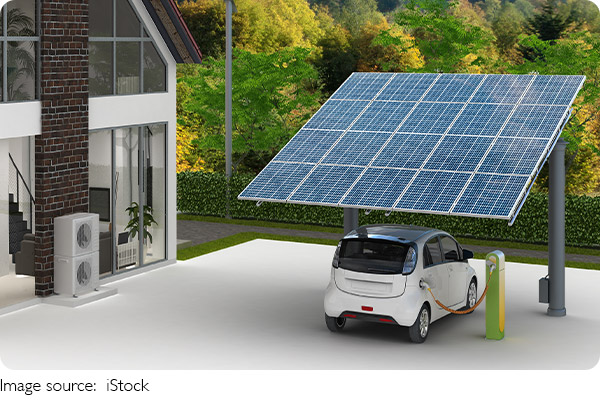
EV growth also depends on reliable charging infrastructure. Industry projections suggest Europe’s public charging network can continue expanding quickly enough to support rising demand, helped by EU infrastructure rules.
That is essential because cheaper cars alone will not convince drivers if charging remains difficult or uneven.
Europe’s EV market is moving in the right direction, but the race is becoming global and increasingly industrial. Stronger sales are only part of the story. The bigger question is whether Europe can build the cars, batteries and infrastructure needed to remain competitive as electric mobility becomes the new mainstream.